
I’m not saying painting every day is bad. If someone can do it with focus and intention, great.
But for most people, especially beginners or hobbyists, painting once a week is not a limitation.
It’s actually an advantage.
If that one session is focused, guided, and thoughtful—you will improve.
And more importantly, you’ll enjoy the process and stay consistent.
That’s what really matters.
Let me explain why.
1. You Actually Have Time to Think
When you paint every day, you fall into repetition. You start doing the same mistakes again and again without even noticing.
But when you paint once a week, something important happens:
you think.
You remember the last class.
You replay the corrections.
You start to understand what went wrong.
Painting is not just doing. It’s deciding.
If you don’t give yourself time to process, you’re just copying habits—good or bad.
2. You Come Back With Fresh Eyes
This is one of the biggest advantages.
When you step away from your painting for a few days, your eye resets. When you come back, you see mistakes immediately:
- proportions off
- values too flat
- colors too similar
If you paint every day, your eye gets used to your own errors. You stop seeing them.
Distance gives clarity.
3. Less Burnout, More Consistency
Let’s be honest—most people are not full-time artists. You have a life, responsibilities, energy limits.
Painting every day can quickly turn into pressure:
“I have to paint today.”
“I’m behind.”
“I’m not improving fast enough.”
That pressure kills enjoyment.
But once a week? That’s sustainable.
You show up with energy.
You focus better.
You actually enjoy the process.
And consistency over months beats intensity for a few weeks.
4. One Good Session Is Better Than Seven Weak Ones
Not all practice is equal.
A focused 3-hour session where you:
- measure carefully
- think about proportions
- make decisions
- correct mistakes
…is far more valuable than seven short sessions done on autopilot.
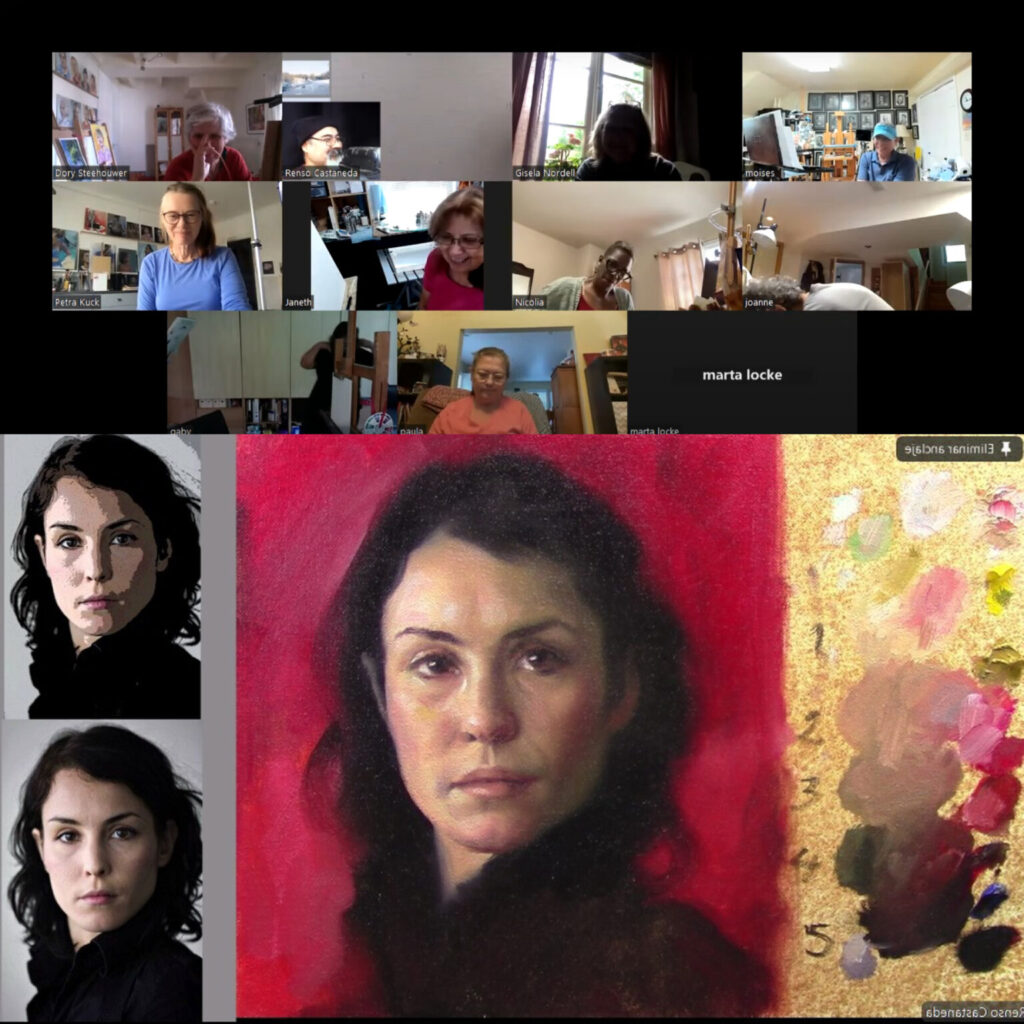
In my classes, I see this clearly. Students who slow down and work with intention improve faster than those who just “do more.”
Quality beats quantity.
5. You Learn to Make Decisions, Not Just Copy
When you don’t paint every day, you stop depending on routine.
Each session becomes important. You approach it with attention.
You start asking:
- Why is this shadow darker?
- Is this proportion correct?
- What should I change?
That’s where real learning happens.
Not in repetition—but in awareness.
6. It Matches How Real Progress Works
Improvement in painting doesn’t happen while you’re holding the brush.
It happens between sessions.
Your brain organizes information.
You connect ideas.
You understand things you didn’t see before.
That only happens if you give it space.
Leave a Reply